Source Embroidered Beaded Sequin Wedding Dress for brides, designers, and retailers
Compare 30 Embroidered Beaded Sequin Wedding Dress options featuring varied styles like ball gowns and mermaid silhouettes. Buyers can review details on materials, customization, and pricing for immediate sourcing needs.
Key considerations
Products List


Short Sleeves Bridal Dress A-Line Lace Tulle Beaded Wedding Dress Ms754
$159.00 - $249.00
MOQ: 1 Pieces


Lace Bridal Gown Beaded off Shoulder Sweetheart Wedding Dresses 2026 Dz2017
$89.00 - $229.00
MOQ: 1 Pieces
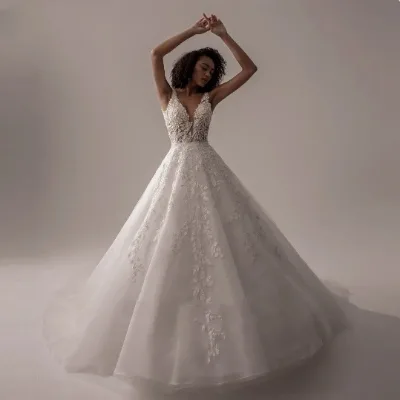
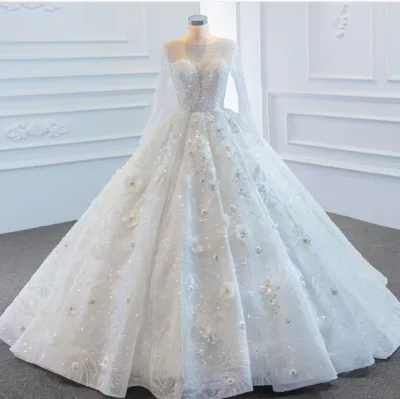
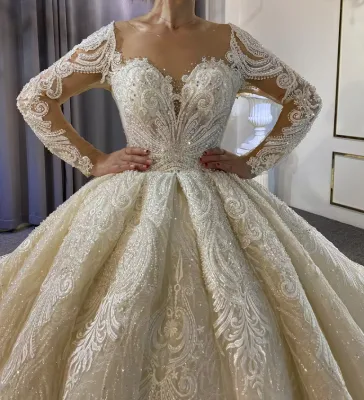
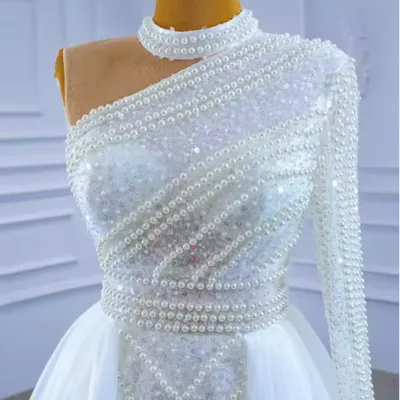
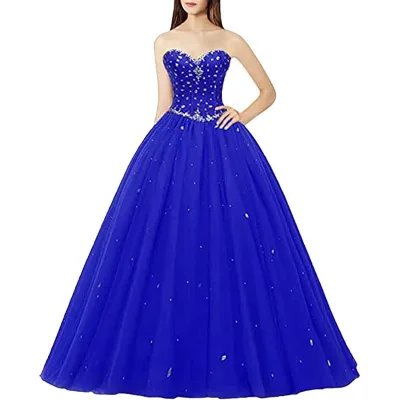
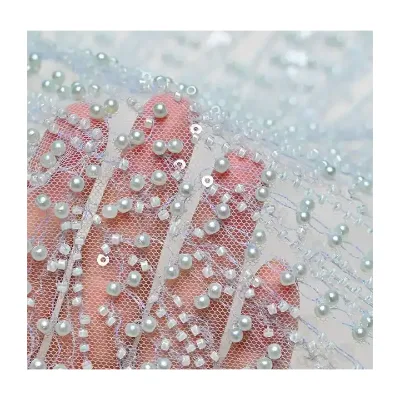
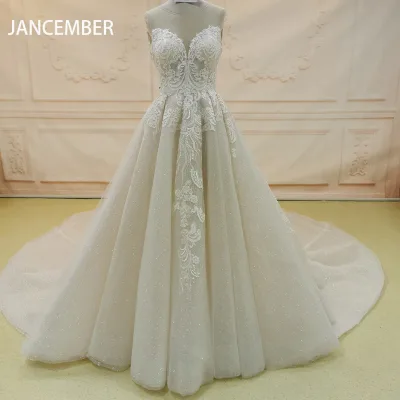
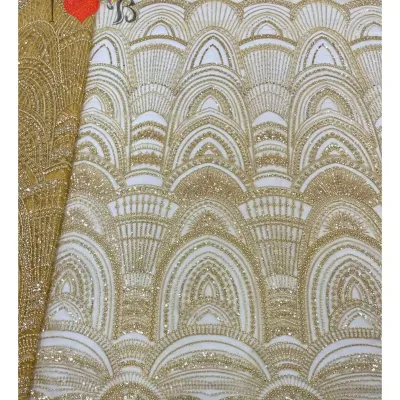
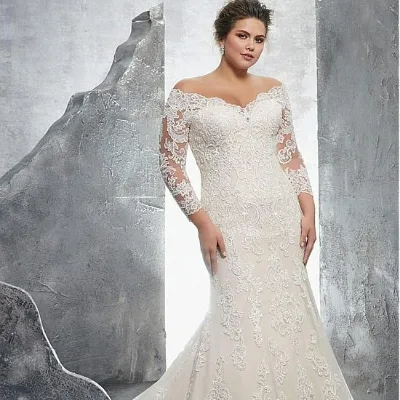
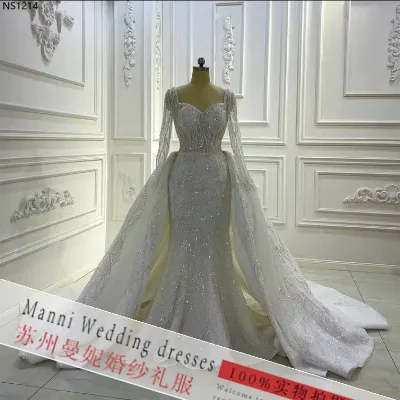


Factory Bridal High Quality Sparkly Beaded Gown Plus Size Embroidered Lace Wedding Dresses
$200.00 - $340.00
MOQ: 1 Pieces

Customized Ivory Handmade Sequins Beaded Women's Bridal Wedding Dresses
$346.00 - $478.00
MOQ: 1 Pieces

Shiny Luxury Handmade Beaded Sequins High Neck Wedding Gowns Dresses with Long Tail
$580.00 - $899.00
MOQ: 1 Pieces
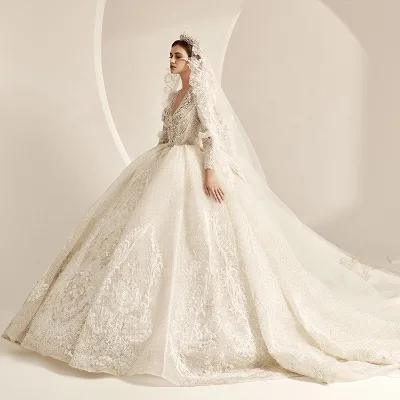
Wedding Dress for Bridal Comfortable Design V Neck Long Sleeve Luxury Wedding Dress
$1338.00 - $1388.00
MOQ: 1 pieces

Comprehensive Sourcing Guide
Strategic Sourcing Guide for Embroidered Beaded Sequin Wedding Dresses
The procurement of an Embroidered Beaded Sequin Wedding Dress represents a complex intersection of artisanal craftsmanship, material science, and supply chain logistics. For B2B buyers, whether operating as a bridal boutique, a rental service, or a wholesale distributor, the decision-making process must move beyond aesthetic appeal to rigorous technical evaluation. The core keyword "Embroidered Beaded Sequin Wedding Dress" implies a garment where structural integrity, fabric weight, and embellishment density are critical. This guide synthesizes observed market data and standard industry practices to provide a disciplined framework for sourcing these high-value items. The following sections detail the technical specifications, compliance verification, cost structures, and quality assurance protocols necessary for successful procurement.
Technical Specifications and Material Composition
Understanding the physical attributes of the product is the first step in defining a precise Request for Quotation (RFQ). The market data indicates a diverse range of material compositions and construction methods. Buyers must distinguish between single-layer and multi-layer constructions, as this directly impacts the dress's silhouette and the weight of the embellishments. For instance, observed listings include "Single Layer" and "Multilayer" configurations, with specific models utilizing "Tulle" as a primary material. Tulle is frequently cited in conjunction with "Sequins" and "Beading," suggesting a lightweight foundation that supports heavy decorative elements.
In contrast, other product variants utilize "Satin" or "Fabric" blends, often paired with "Lace" embellishments. The choice of material dictates the draping quality and the appropriate sleeve style. Observed specifications include "3/4 Sleeve," "Off-Shoulder," "Long Sleeve," "Short Sleeve," and "Strapless" designs. The sleeve style must align with the fabric weight; for example, heavy sequin work on a satin base may require structured sleeves, whereas tulle allows for more fluid, off-shoulder designs.
Dress length is another critical specification. The data confirms the prevalence of "Full-Length" and "Floor-Length" options, which are standard for wedding ceremonies. The silhouette style is equally varied, with "Ball Gown," "Mermaid," and "A-Line" being the dominant categories. A Ball Gown style often necessitates a "Multilayer" construction to achieve volume, while a Mermaid style typically relies on a tighter fit through the hips, requiring precise tailoring. Buyers should verify the specific model numbers, such as "A1234," "H5207," "E17913," "MS754," "L04," "DZ2017," and "NWD24166," as these identifiers often correlate with specific pattern blocks and material combinations.
Customization Capabilities and Production Flexibility
The modern bridal market demands high levels of personalization. Sourcing guides must prioritize suppliers who offer robust customization options. The observed data confirms that "Customization" is widely available, with suppliers accepting "Custom Measurements" alongside standard sizing. Stock availability is often listed in even increments (2, 4, 6, 8, 10, 12, 14, 16), but the ability to produce "Custom Made Dress" based on "Picture Color and Custom Colors" is a significant differentiator.
Furthermore, the "We Accept The Custom Dresses" attribute indicates flexibility in both size and design. This is crucial for buyers serving a niche market or handling bespoke orders. The "OEM" (Original Equipment Manufacturer) and "ODM" (Original Design Manufacturer) capabilities are explicitly noted in the supply data. An OEM relationship allows the buyer to supply their own designs, while ODM implies the supplier provides the design intellectual property. Buyers must clarify which model applies to their specific contract.
The "MOQ" (Minimum Order Quantity) is a pivotal factor in procurement strategy. The observed range spans from "1 Piece" to "500" units. A supplier offering "1 Piece Drop Shipping" is ideal for testing market viability or fulfilling urgent, low-volume orders. Conversely, a supplier requiring a higher MOQ may offer better unit economics for bulk inventory. The "Supply Type" being listed as "ODM" suggests a partnership model where the supplier may also handle design iteration. Buyers should verify if the customization extends to the "Fashion Element," such as "illusion," "Simple," or "Backless" designs, which are specific aesthetic requests often found in modern bridal collections.
Cost Drivers and Pricing Dynamics
The price range for embroidered beaded sequin wedding dresses is substantial, with observed listings varying from $6.54 to $1,388. This wide disparity is driven by several technical and logistical factors. The primary cost driver is the density and type of embellishment. Dresses featuring extensive "Sequins" and "Beading" require significant labor hours for hand-application or machine embroidery, directly inflating the unit cost. The "Material" cost also varies; "Satin" and high-grade "Tulle" command different price points, and the inclusion of "Lace" adds another layer of material expense.
The "Dress Layer" count is another economic variable. A "Multilayer" or "Double Layer" dress requires more fabric and more complex assembly than a "Single Layer" version. Additionally, the "Style" influences cost; a "Mermaid" cut often requires more intricate pattern making and fitting than a standard "A-Line." The "Age Group" targeting, such as "18-25 Years Old" or "25-35 Years Old," may correlate with specific design trends that affect production complexity, though this is less direct than material costs.
Packaging is a hidden cost factor. The data lists "Plastic Bag" or "Cotton Box" as standard packing methods. Upgrading to premium packaging, such as a "Carton Box" or custom-branded boxes, will increase the landed cost. Buyers must calculate the total cost of ownership, including the "Place of Origin" logistics. Most observed products originate from "Suzhou, China" or "Zhejiang, China." While these regions are hubs for textile manufacturing, buyers must factor in shipping, import duties, and potential currency fluctuations when evaluating the final price against the observed range.
Compliance, Standards, and Supplier Evaluation
Ensuring compliance is non-negotiable in the B2B apparel sector. While the provided data mentions a "prod_standard" of "high quality," this is a subjective observation rather than a certified standard. Buyers must verify specific certifications relevant to the destination market. For instance, if the dresses are to be sold in the European Union, compliance with REACH regulations regarding chemical substances in textiles is mandatory. In the United States, flammability standards for children's sleepwear (if applicable) or general textile labeling laws must be met.
The "Place of Origin" being China requires a thorough supplier audit. Buyers should evaluate the factory's capacity to maintain consistent quality across large batches. The "Supply Type" of ODM or OEM implies a level of technical capability, but it does not guarantee ethical labor practices. A robust supplier evaluation should include checks on working conditions, environmental impact, and adherence to international labor standards.
When comparing suppliers, buyers should create a matrix based on the following criteria:
| Evaluation Criteria | Key Questions to Ask |
|---|---|
| Customization Depth | Can you handle custom colors and measurements for 1-piece orders? |
| Material Consistency | Is the Tulle/Satin blend consistent across all batches? |
| Embellishment Durability | How are sequins and beads secured to prevent shedding? |
| Lead Time | What is the production time for custom vs. stock items? |
| Certification | Do you hold ISO or other relevant quality management certifications? |
The "Fashion Element" of "illusion" or "Backless" designs requires specific technical knowledge to ensure the dress remains secure and safe to wear. Suppliers with a history of producing these complex styles are preferable.
Quality Control and Inspection Protocols
Quality control (QC) for embellished wedding dresses must be rigorous. The "Sequins" and "Beading" are prone to falling off during shipping or wear if not applied correctly. A standard QC protocol should include a visual inspection of the "Embellishment" density and adhesion. Buyers should request pre-shipment samples to verify that the "Color" matches the "Picture Color" or the agreed-upon custom swatch.
The "Dress Layer" construction must be inspected for alignment and symmetry. In a "Ball Gown" or "Mermaid" style, the fit must be precise. The "Sleeve Style" should be checked for evenness and comfort. For "Floor-Length" dresses, the hemline must be straight and even. The "prod_packing" method is also part of the QC process; dresses should be packed in a way that prevents crushing or snagging of the "Sequins."
Buyers should implement a "First Article Inspection" (FAI) for custom orders. This involves inspecting the first unit produced against the approved sample. For bulk orders, a "Random Sampling" plan based on AQL (Acceptable Quality Limit) standards is recommended. The "High Quality" claim in the data should be validated through third-party testing if the buyer has specific performance requirements, such as colorfastness or fabric strength.
Long-Term Procurement and Market Considerations
Sourcing these dresses is not a one-time transaction but a strategic partnership. The "Season" of "Spring/Autumn" suggests that production planning should align with these peak bridal seasons. Buyers must manage inventory levels to ensure stock is available for the "Wedding Party Wedding Ceremony" occasions. The "Occasion" specification confirms that these are formal wear items, which often have a higher return rate if the fit or quality is subpar.
Long-term considerations include the scalability of the supplier. If a buyer's business grows, can the supplier increase capacity from "1 Piece" to "500" units without compromising quality? The "Custom Wedding Evening Dresses" stock availability (sizes 2-16+) indicates a baseline inventory, but the ability to produce "Custom Measurements" ensures the buyer can cater to diverse body types.
Finally, buyers should monitor the "prod_model" updates. The market is dynamic, and styles like "illusion" or "Backless" may evolve. Maintaining a relationship with a supplier who offers "ODM" services allows the buyer to stay ahead of trends. The "Location" of the supplier in "Suzhou" or "Zhejiang" provides access to a robust supply chain, but buyers should always have a contingency plan for supply chain disruptions. By focusing on technical specifications, rigorous QC, and flexible customization, buyers can secure a reliable supply of high-quality embroidered beaded sequin wedding dresses.
FAQs
Can I order a single piece of Embroidered Beaded Sequin Wedding Dress?
Yes, suppliers accept one-piece drop shipping orders for these dresses. You can request custom measurements or standard sizes starting from size 2 up to 16 plus, with options for custom colors based on pictures.
What materials are used for embroidered beaded sequin wedding dresses?
Common materials include Tulle and Satin, often combined with Lace embellishments. The construction varies between single-layer and multilayer designs, with specific models utilizing Tulle as a primary fabric for sequin and beading work.
Which customization options are available for these wedding dresses?
Suppliers offer custom measurements and accept custom colors matching picture references. You can choose from various styles like Ball Gown or Mermaid, with options for specific sleeve styles such as Off-Shoulder or Long Sleeve.
How are these dresses packed for shipping from China?
Dresses are typically packed in Plastic Bags or Cotton Boxes, with some options using Carton Boxes. This packaging protects the embellishments like sequins and beads during transit from origins in Suzhou or Zhejiang, China.
What is the price range for embroidered beaded sequin wedding dresses?
The observed price range spans from 6.54 to 1388 USD depending on complexity. Costs vary based on material type, layer count, and the density of sequin and beading embellishments applied to the fabric.
Can I find dresses suitable for the Spring and Autumn seasons?
Yes, many listed products are specifically designed for Spring and Autumn seasons. These dresses often feature varying sleeve styles like 3/4 Sleeve or Sleeveless to accommodate the temperature fluctuations typical of these seasons.
What standard sizes are available for stock orders?
Stock sizes typically range from 2 to 16 in even increments, plus custom measurements. Suppliers maintain inventory for standard sizing while also offering full customization for unique body types and specific design requirements.